

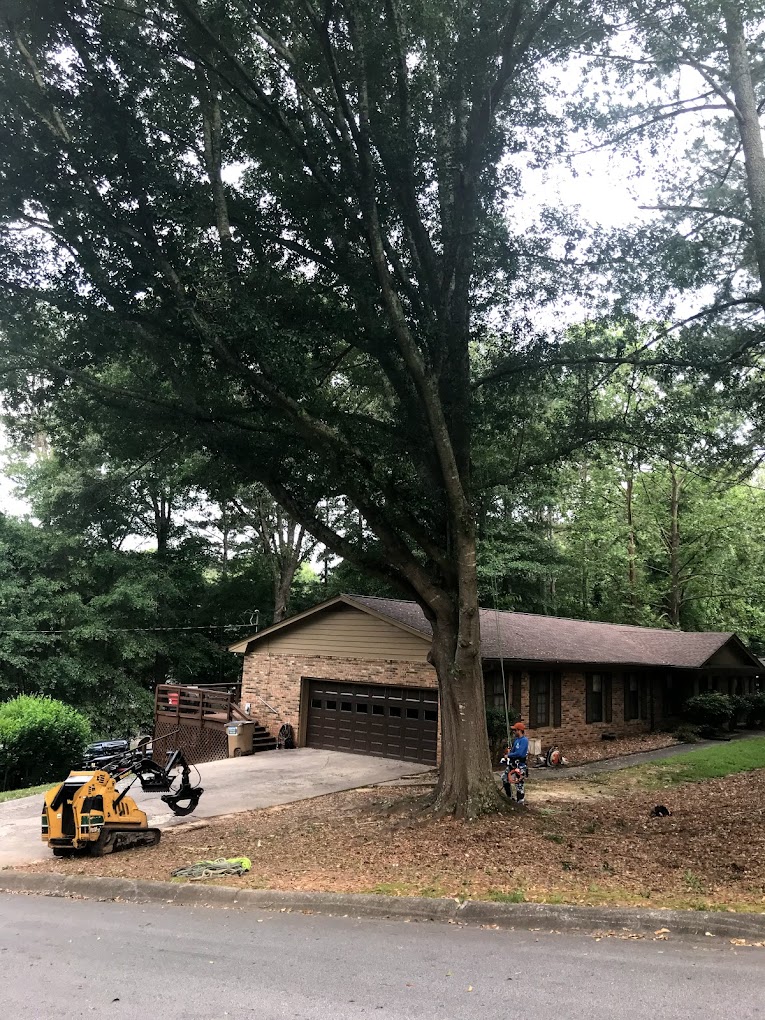
Keeping our trees healthy and safe is an important part of maintaining a beautiful and secure property. Over time, trees can develop problems that can compromise their health and structural integrity. Knowing when to prune your trees can make a big difference.
One of the first things to watch for is overgrown branches and a dense canopy. They can block sunlight and air from reaching the interior of the tree. This can cause weaker growth and make it harder for the tree to thrive. Additionally, recognizing signs of disease and infestation early can prevent the spread to other parts of the tree or nearby plants.
Another critical aspect is assessing any structural damage or potential safety risks. Broken or dead branches can pose a threat to people and property, especially during storms. Regular pruning helps address these issues before they become severe problems. By understanding and looking out for these signs, we can ensure our trees remain healthy and contribute to a safe and beautiful environment.
Recognizing Overgrown Branches and Canopy Density
Overgrown branches and dense canopies are common issues that can hinder the health and safety of your trees. When branches grow too long, they can become heavy and unstable, posing risks to structures, vehicles, and people nearby. Limbs that extend beyond a tree’s natural shape can also lead to breakage, especially during high winds or storms.
Assessing canopy density is equally important. A thick, dense canopy can limit the amount of sunlight and air that reaches the inner branches and ground below. This can stunt the growth of grass and plants under the tree and create a humid environment that fosters disease and pest infestations. Regular trimming helps thin out the canopy, allowing for better light and air circulation and promoting a healthier ecosystem beneath.
Detecting Signs of Disease and Infestation
Recognizing the signs of disease and infestation early can save your trees from significant damage and prevent a problem from spreading to other plants. Symptoms like discolored leaves, unusual growths, and holes in the bark may indicate the presence of disease or pests. If left untreated, these issues can weaken the tree, leading to decay and potential collapse.
Regular inspections help us identify these signs early. We look for common diseases such as cankers, blight, and root rot, as well as pests like beetles and caterpillars. By addressing these issues promptly, we can prune away infected areas and apply treatments to protect the rest of the tree. This proactive approach helps maintain a healthy, disease-free landscape, ensuring your trees remain strong and vibrant.
Assessing Structural Damage and Safety Risks
Structural damage in trees can pose significant safety risks to both people and property. It’s essential to inspect your trees regularly for any signs of weakening or compromising of the tree structure. One of the most common indicators of structural damage is the presence of cracks or splits in the trunk or major branches. These cracks can weaken the tree and increase the likelihood of branches falling, especially during storms or high winds.
Additionally, look for any signs of leaning trees, which might suggest root or trunk damage. Trees that have been heavily damaged by storms or pests may also have broken or dangling branches, creating a hazard for anything below. Regularly assessing these risks and taking corrective action helps keep your property safe and prevents potential damage. Professional tree services can safely remove hazardous branches and strengthen the health of your trees.
Benefits of Seasonal Tree Pruning and Maintenance
Seasonal pruning and maintenance play a vital role in keeping trees healthy and looking their best. There are several benefits to maintaining a regular schedule for tree care. Firstly, pruning during the dormant season helps reduce the chances of disease spreading. Removing dead or diseased branches in the winter can help the tree heal faster as it prepares for spring growth.
Secondly, seasonal maintenance encourages new growth and increases air and sunlight penetration throughout the canopy, promoting a healthier tree overall. Trees trimmed appropriately tend to be stronger and more resilient against wind and heavy rain. Regular pruning also helps to maintain the tree’s shape and structure, which is important for the overall appearance of your landscape.
Moreover, maintaining your trees on a seasonal basis reduces the need for drastic measures or emergency services later on. It’s a proactive approach that ensures your trees remain in excellent condition year-round, saving you money and effort in the long term.
Conclusion
Tree maintenance is essential for the safety, health, and beauty of your property. Recognizing signs of overgrowth and structural damage, as well as understanding the importance of seasonal pruning, helps ensure your trees remain healthy and vibrant. Proper care and maintenance of your trees can prevent many issues that could otherwise result in costly damages or even require emergency services.
At our company, we are committed to providing comprehensive tree care services tailored to your specific needs. Our expert team is here to assist with regular maintenance, ensuring your trees are healthy and your property looks its best. Contact us today to schedule a consultation and discover how we can help you maintain beautiful and safe trees. Reach out to ATL Tree Work for all your tree care needs and let us keep your landscape lush and green!